Mango puree is more than just a sweet fruit blend; it is a versatile tropical ingredient that can elevate both everyday meals and gourmet recipes. Known for its vibrant color, smooth texture, and naturally sweet flavor, mango puree is often used as a base for desserts, drinks, sauces, and even savory dishes. Whether you call it mango pulp, mango coulis, or fruit puree, this ingredient has become a staple in kitchens worldwide thanks to its adaptability and nutritional value.
The beauty of mango puree lies in its simplicity. Fresh mangoes can be peeled, chopped, and blended into a silky puree within minutes, while frozen mango chunks provide a convenient alternative when fresh fruit is not available. This tropical fruit puree can be strained for a velvety finish or left slightly textured for rustic recipes. It is naturally rich in vitamins, antioxidants, and fiber, making it a healthier substitute for processed sweeteners or heavy cream in many dishes.
From mango lassi and smoothies to cheesecake toppings and salad dressings, mango puree offers endless possibilities. It can be stored in the refrigerator for short-term use or frozen in cubes for long-term convenience. With its balance of sweetness and nutrition, mango puree is the perfect ingredient to keep on hand for quick breakfasts, festive desserts, or refreshing drinks. In this article, we will explore how to make mango puree, its benefits, creative uses, and expert tips to maximize flavor and freshness.
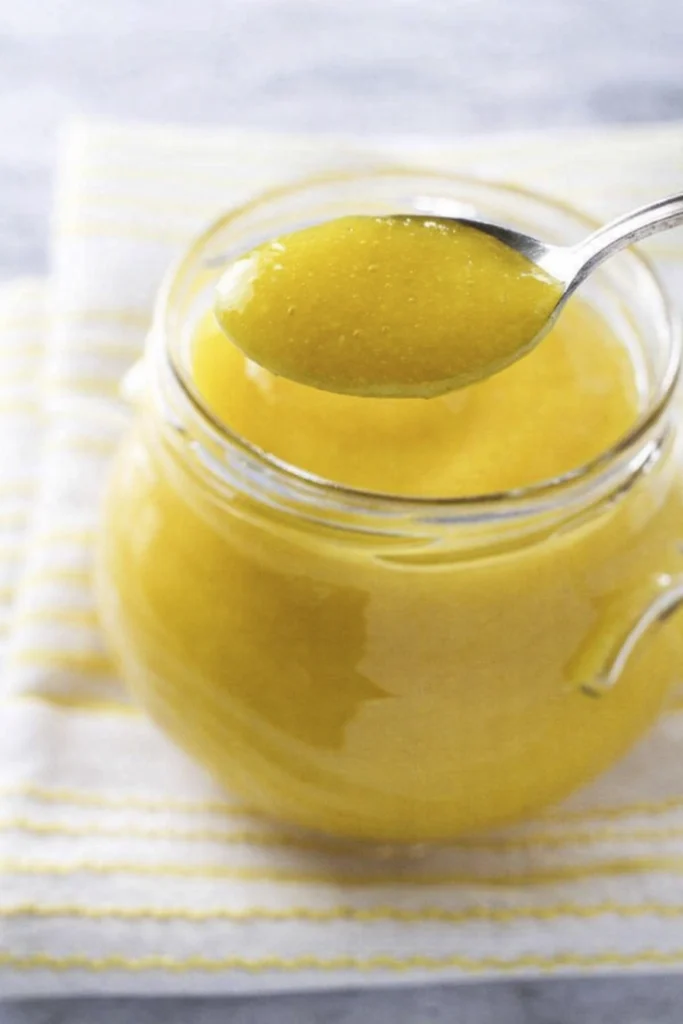
Mango Puree Benefits and Why You’ll Love It
Mango puree is not only delicious but also packed with nutritional and culinary advantages that make it a must-have in your kitchen. This tropical fruit blend delivers a naturally sweet flavor, vibrant color, and smooth texture that can enhance a wide variety of recipes. Whether you prepare it from fresh pulp or use frozen chunks, the benefits remain consistent and impressive.
One of the primary reasons to love this golden base is its nutritional profile. It is rich in vitamin C, vitamin A, and antioxidants that support immunity and skin health. The fiber content aids digestion, while its natural sugars provide a healthier alternative to refined sweeteners. A quarter cup contains about 45 calories, making it a light yet satisfying addition to meals and snacks.
From a culinary perspective, this tropical preparation is extremely versatile. It can serve as a base for smoothies, lassi, and cocktails. It also works beautifully as a topping for pancakes, yogurt, and oatmeal, or as a filling for cheesecakes and cakes. In savory dishes, the fruit blend can be incorporated into salad dressings or sauces for chicken and seafood, adding a refreshing balance of sweetness and acidity.
Another benefit is convenience. You can prepare it in minutes and store it in the refrigerator for up to three days or freeze it for months. This makes it easy to have a ready-to-use tropical ingredient on hand for quick breakfasts, festive desserts, or refreshing drinks. With its combination of health benefits and culinary versatility, this fruit puree is a simple yet powerful way to bring tropical flavor into your everyday cooking.
Mango Puree Ingredients and What You Need
This tropical preparation is one of the simplest fruit-based recipes, requiring very few ingredients and tools. To achieve the perfect texture and flavor, you need to start with the right mangoes and basic kitchen equipment. The main ingredient is, of course, ripe fruit. Fresh pulp delivers the sweetest and most aromatic results, while frozen chunks provide convenience when fresh produce is not available. Both options work well, and the choice depends on seasonality and accessibility.
When selecting fresh mangoes, look for fruit that yields slightly to gentle pressure and has a fragrant aroma. Overripe ones can still be used, but they may produce a stronger flavor. Frozen mango is an excellent alternative because it is usually harvested at peak ripeness and flash-frozen to preserve nutrients. Before blending, thaw frozen pieces completely to ensure a smooth consistency.
In addition to mangoes, you may want optional flavor enhancers such as honey, maple syrup, or a splash of lime juice. These additions can balance sweetness and acidity depending on the recipe. For savory applications, a pinch of chili powder or ginger can transform the fruit base into a vibrant sauce.
Mango Puree Preparation Step by Step
Making mango puree at home is simple and requires only a few minutes of preparation. Whether you are using fresh mango pulp or frozen mango chunks, following the right steps ensures a smooth, flavorful tropical fruit puree that can be used in countless recipes.
Start by preparing the mango. If you are working with fresh fruit, wash the mango thoroughly, peel off the skin, and cut away the flesh from the pit. Chop the mango into small pieces to make blending easier. For frozen mango, allow the chunks to thaw completely at room temperature or in the refrigerator. This step is important because blending frozen fruit directly can result in a grainy texture instead of a silky puree.
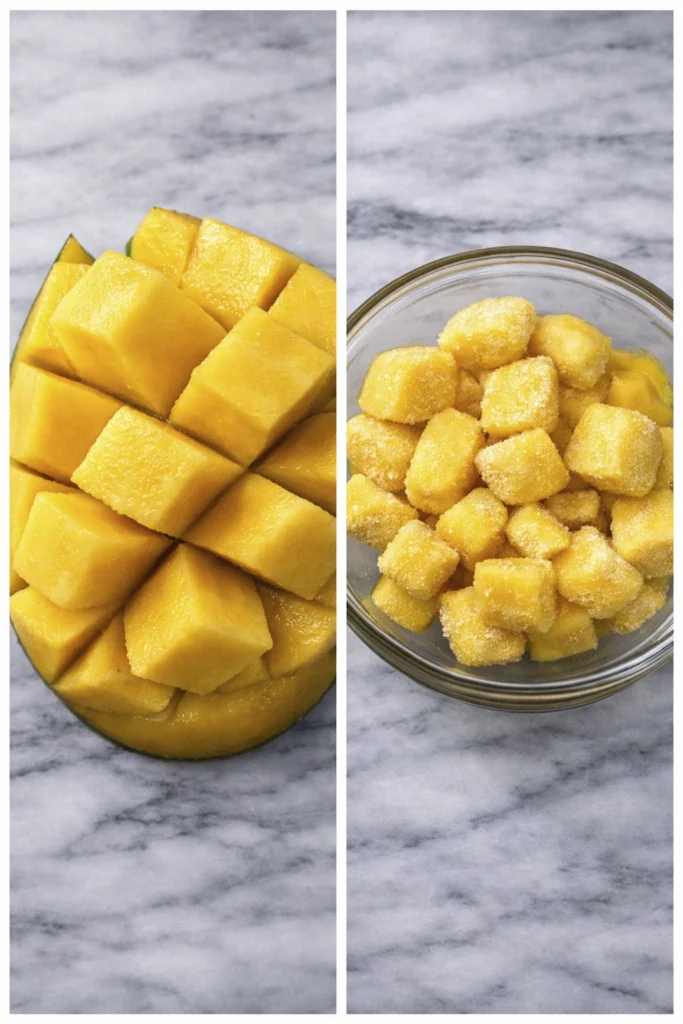
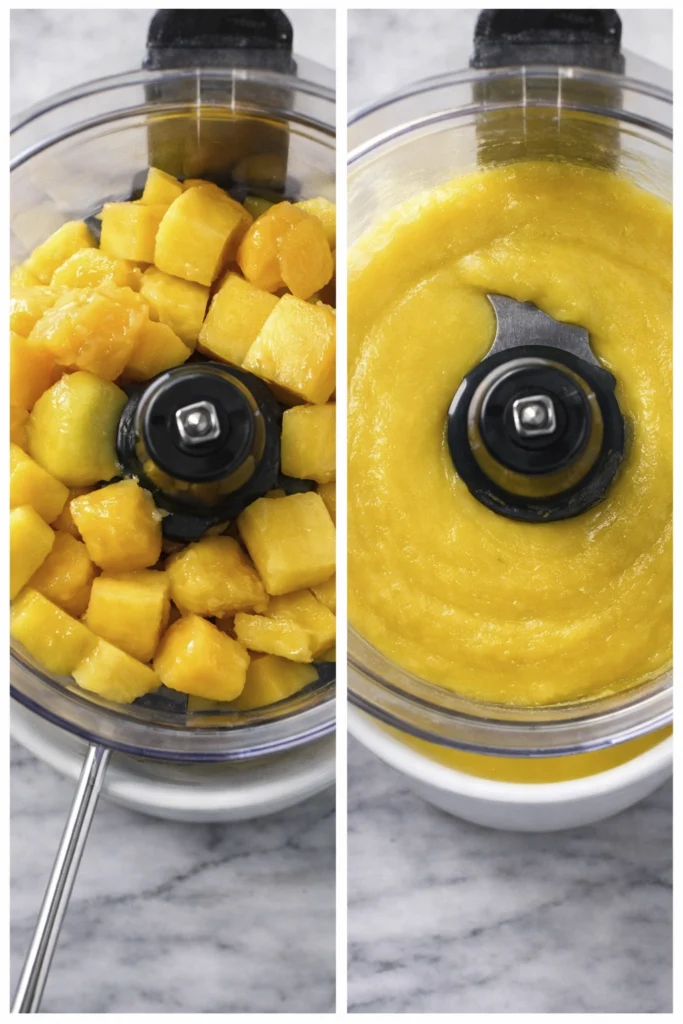
Next, place the mango pieces into a blender, food processor, or use an immersion blender. Blend until the mixture becomes smooth and consistent. Depending on the ripeness of the mango, you may not need to add any liquid. If the puree feels too thick, a small splash of water or fruit juice can help achieve the desired texture.
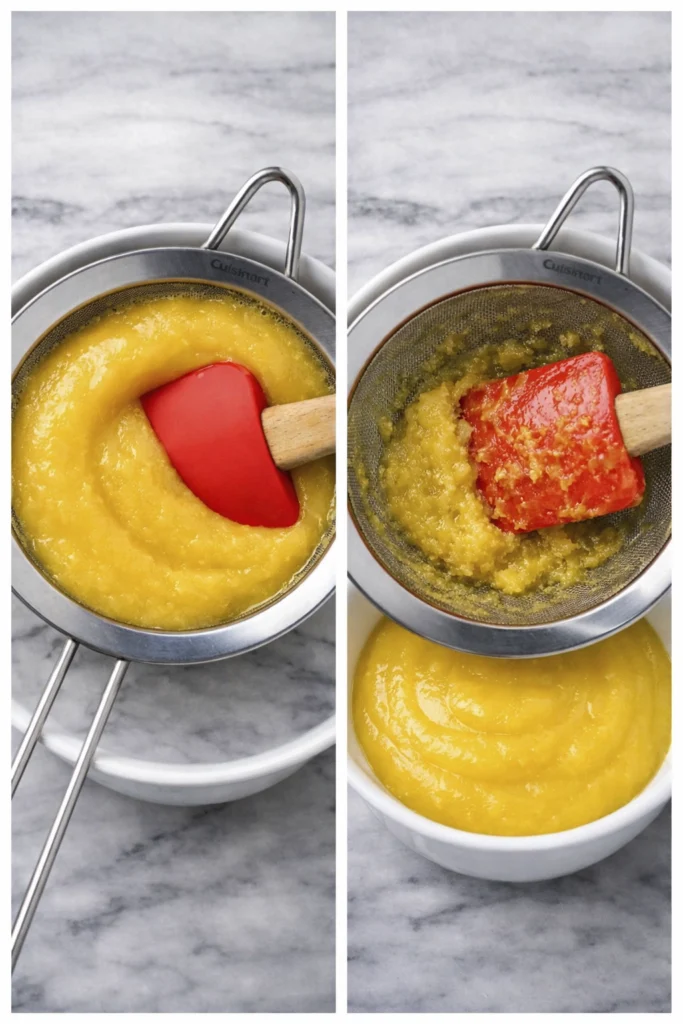
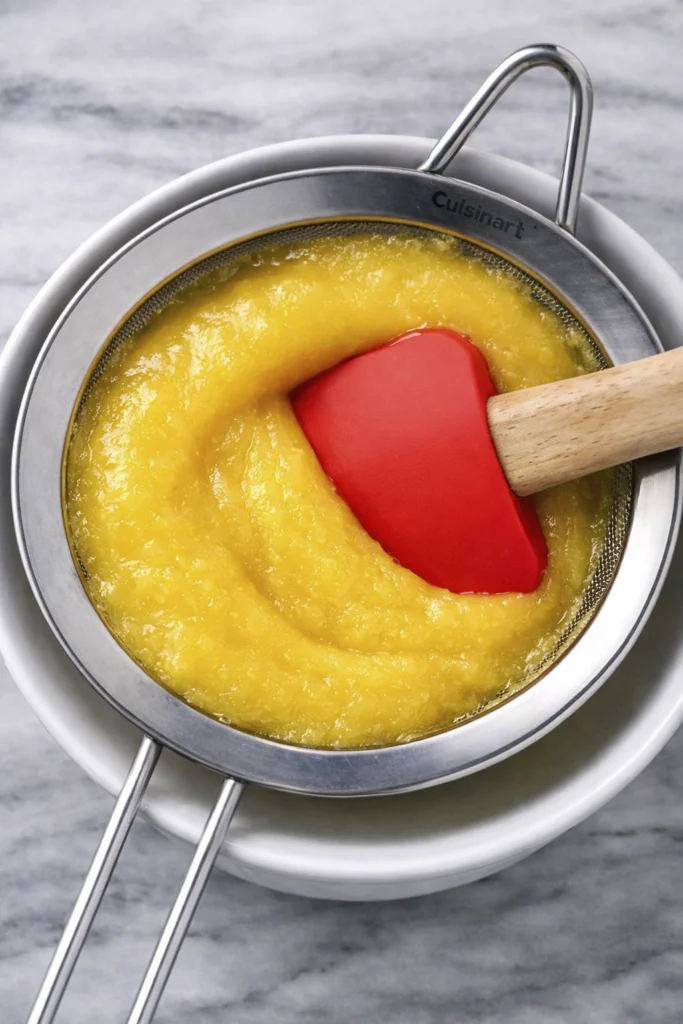
For recipes that require a velvety finish, strain the puree through a fine mesh sieve. This removes any fibrous bits and ensures a silky mango coulis perfect for desserts and sauces. Once strained, transfer the puree into a clean glass jar or airtight container.
Finally, store the mango puree properly. It can be refrigerated for up to three days or frozen in ice cube trays for up to three months. Frozen cubes are convenient for smoothies, cocktails, or baking, as they can be thawed individually. By following these steps, you will always have fresh mango puree ready to enhance your favorite recipes.
Mango Puree Tips and Expert Advice
Creating mango puree may seem straightforward, but a few expert tips help you achieve the best flavor, texture, and versatility. The first rule is to always choose ripe mangoes. Ripe fruit ensures natural sweetness and a vibrant tropical aroma. If your mangoes are slightly underripe, balance the flavor by adding a touch of honey or maple syrup. This adjustment keeps the blend natural while enhancing its taste.
Another important tip is to consider texture. For smoothies or lassi, blending until smooth is sufficient. However, for desserts such as cheesecake toppings or coulis, straining the mixture through a fine mesh sieve creates a silky finish free of fibers. This step makes the fruit base ideal for elegant recipes.
Storage also plays a key role. Keep the tropical blend in airtight glass jars in the refrigerator for up to three days. For longer storage, freezing in ice cube trays works best. Frozen cubes can be portioned easily into drinks, sauces, or baked goods. Always thaw them in the refrigerator to preserve flavor and consistency.
When using the puree in savory dishes, balance is key. A splash of lime juice or a pinch of chili powder can transform the sweetness into a vibrant sauce for chicken or seafood. For baking, combining the fruit pulp with coconut or vanilla enhances tropical notes.
Finally, remember that this golden blend is versatile. You can use it in smoothies, cocktails, salad dressings, cakes, and even baby food. By applying these expert tips, you maximize flavor, texture, and usability, ensuring it becomes a reliable tropical base in your kitchen.
Mango Puree Creative Uses in Recipes
Mango puree is one of the most versatile tropical bases you can add to your cooking routine. Its naturally sweet flavor and smooth texture make it suitable for both sweet and savory recipes, unlocking endless possibilities for creative dishes that highlight the fruit’s vibrant taste.
In breakfast recipes, this tropical blend can be stirred into oatmeal, layered over pancakes, or blended into smoothies. It pairs beautifully with yogurt, granola, and chia pudding, adding a refreshing twist to everyday meals. For drinks, the fruit base serves as the foundation of mango lassi, cocktails, mocktails, and iced teas. It can also be mixed with sparkling water for a light mango nectar.
Desserts are where this golden puree truly shines. You can swirl it into cheesecakes, use it as a filling for cakes, or drizzle it over brownies. A silky coulis makes an elegant topping for panna cotta or ice cream. When combined with coconut or vanilla, the tropical flavor enhances custards and mousses.
Savory recipes benefit as well. The blend can be transformed into salad dressings, marinades, or sauces for chicken and seafood. A touch of lime juice or chili powder balances the sweetness, creating a vibrant flavor profile. It also works beautifully as a glaze for roasted vegetables or grilled meats.
For baby food, this fruit puree offers natural sweetness without additives. Its smooth consistency makes it easy to digest and gentle for little ones. With so many creative uses, this tropical ingredient becomes more than just a fruit blend—it is a culinary tool that elevates recipes across every meal category.
Mango Puree Storage and Preservation
Proper storage of mango puree is essential to maintain its flavor, texture, and nutritional value. Whether you prepare it from fresh mango pulp or frozen fruit chunks, following the right preservation methods ensures you always have this tropical ingredient ready for use.
In the refrigerator, keep the blend in airtight glass jars or sealed containers. This prevents oxidation and keeps it fresh for up to three to four days. Always store it in the coldest part of the fridge and avoid leaving it uncovered, as exposure to air can cause discoloration and loss of flavor.
For longer preservation, freezing works best. Pour the mixture into ice cube trays and freeze until solid. Once frozen, transfer the cubes into freezer-safe bags or containers. This method allows you to portion the fruit base easily for smoothies, cocktails, sauces, or baking. Frozen cubes can last up to three months without losing quality. When ready to use, thaw them in the refrigerator overnight or blend directly into drinks for a chilled tropical flavor.
Avoid repeated thawing and refreezing, as this compromises both taste and texture. If you plan to use small amounts, freezing in cubes is more practical than storing in large containers. For recipes requiring a silky finish, strain the blend before freezing to ensure smoothness after thawing.
By applying these preservation techniques, this tropical base remains a reliable ingredient for desserts, drinks, and savory dishes. With proper storage, you can enjoy its vibrant taste year-round, even when fresh mangoes are out of season.
Mango Puree Frequently Asked Questions
When preparing or using mango puree, several common questions arise about its preparation, storage, and applications. Here are clear answers to help you make the most of this tropical fruit puree.
Yes, frozen mango chunks are an excellent option. They are usually harvested at peak ripeness and flash-frozen to preserve nutrients. Simply thaw them completely before blending to ensure a smooth texture.
Mango puree should be stored in airtight containers or glass jars and will stay fresh for three to four days. Always refrigerate promptly after preparation to maintain flavor and quality.
Absolutely. Freezing mango puree in ice cube trays is the best method. Once solid, transfer cubes to freezer-safe bags. This allows easy portioning for smoothies, cocktails, sauces, or baking. Frozen mango puree can last up to three months.
Yes, mango puree is a nutritious and naturally sweet option for baby food. It contains vitamins, fiber, and antioxidants without added sugar. Its smooth consistency makes it easy to digest.
Definitely. Mango puree can be combined with lime juice, chili powder, or ginger to create vibrant sauces and dressings for chicken, seafood, or salads.
They are similar but not identical. Mango pulp usually refers to the raw flesh of the fruit, while mango puree is blended into a smooth consistency, often strained for a silky finish.
By addressing these frequently asked questions, you can confidently prepare, store, and use mango puree in a wide range of recipes, from desserts and drinks to savory meals.
Mango Puree Article Related Recipes
- stir mango puree into overnight oats for a tropical twist.
- pair mango puree with fudgy brownies for a rich flavor contrast.
- explore creative drinks and desserts with mango puree such as matcha tiramisu
- use mango puree as a tropical cake filling alongside coconut custard cake
Mango Puree Nutrition and Health Benefits
This recipe offers both flavor and nutrition, making it a tropical ingredient worth adding to your diet. When you prepare it from fresh mango pulp or frozen chunks, you enjoy a fruit packed with vitamins, minerals, and antioxidants that strengthen overall health.
One of the most notable benefits is its high vitamin C content. This essential nutrient boosts the immune system, supports collagen production for healthy skin, and helps the body heal faster. The fruit also delivers vitamin A, which protects eye health and maintains clear vision. Antioxidants such as beta-carotene and polyphenols fight oxidative stress and reduce cellular damage, keeping your body strong.
In addition to vitamins, this tropical puree supplies dietary fiber that improves digestion, supports gut health, and stabilizes blood sugar levels. Its natural sugars provide quick energy, making it a healthier alternative to refined sweeteners. A quarter cup contains about 45 calories, 11 grams of carbohydrates, 10 grams of natural sugar, and 1 gram of fiber, offering a light yet satisfying addition to meals.
Because mangoes contain a high percentage of water, the puree helps keep you hydrated. This makes it especially refreshing during hot weather or after exercise. If you want to manage your weight, you can use this fruit blend as a nutrient-rich topping or blend it into smoothies without adding heavy calories.
By adding this tropical base to your daily meals, you gain both taste and health benefits. It strengthens immunity, aids digestion, improves skin health, and provides energy, making it a versatile ingredient for everyday cooking.
Print
Mango Puree Recipe: How to Make, Store, and Use It
- Total Time: 10 minutes
- Yield: 2 cups 1x
Description
Mango puree is a smooth, naturally sweet tropical blend made from ripe mangoes. Perfect for smoothies, desserts, sauces, and drinks, this easy recipe takes just minutes to prepare and adds vibrant flavor to both sweet and savory dishes.
Ingredients
2 large ripe mangoes (or 2 cups frozen mango chunks, thawed)
1–2 teaspoons honey or maple syrup (optional)
1 tablespoon lime juice (optional)
1–2 tablespoons water or juice (if needed for blending)
Instructions
1. Wash, peel, and chop the mangoes, removing the pit.
2. If using frozen mango, thaw completely before blending.
3. Add mango pieces to a blender or food processor.
4. Blend until smooth and creamy.
5. Add water or juice if needed to reach desired consistency.
6. Taste and adjust with honey or lime juice if desired.
7. (Optional) Strain through a fine mesh sieve for a smoother texture.
8. Transfer to an airtight container and store properly.
Notes
Use very ripe mangoes for the best natural sweetness and flavor.
Straining is recommended for desserts like coulis or cheesecake topping.
Store in the fridge for up to 3–4 days.
Freeze in ice cube trays for up to 3 months.
Great for smoothies, lassi, sauces, desserts, and baby food.
- Prep Time: 10 minutes
- Cook Time: 0 minutes
- Category: Sauce / Puree
- Method: Blending
- Cuisine: International
Nutrition
- Serving Size: 1/4 cup
- Calories: 45
- Sugar: 10g
- Sodium: 0mg
- Fat: 0g
- Saturated Fat: 0g
- Unsaturated Fat: 0g
- Trans Fat: 0g
- Carbohydrates: 11g
- Fiber: 1g
- Protein: 0g
- Cholesterol: 0mg
Keywords: mango puree, mango pulp, fruit puree, mango coulis, tropical recipes, smoothie base
Mango Puree Final Thoughts and Culinary Inspiration
Mango puree is more than just a tropical fruit blend; it is a versatile culinary foundation that brings color, sweetness, and nutrition to countless recipes. Whether you prepare mango puree from fresh mango pulp or frozen mango chunks, the result is a smooth, vibrant ingredient that can be adapted to both sweet and savory dishes. Its ability to transform simple meals into gourmet creations makes it an essential addition to every kitchen.
From breakfast bowls and smoothies to cheesecakes and cocktails, mango puree delivers a burst of tropical flavor that pairs beautifully with ingredients such as coconut, vanilla, and citrus. In savory cooking, it balances spicy and tangy flavors, creating sauces and dressings that elevate chicken, seafood, and salads. Its natural sweetness also makes it a healthier alternative to refined sugar, offering both taste and nutritional benefits.
The convenience of mango puree cannot be overstated. It can be prepared in minutes, stored in the refrigerator for short-term use, and frozen for months without losing quality. This makes it a reliable ingredient for busy households and professional kitchens alike. With proper storage and expert tips, mango puree remains fresh, flavorful, and ready to use whenever inspiration strikes.
Ultimately, mango puree is a tropical essential that bridges health and indulgence. It nourishes with vitamins, fiber, and antioxidants while delighting with its smooth texture and vibrant taste. By incorporating mango puree into your cooking, you embrace a world of culinary creativity, transforming everyday recipes into extraordinary experiences.
If you’re craving more inspiration, you’ll find plenty of recipes in the Pinterest