If you are searching for a reliable, healthy, and flavorful sour cream recipe, you are in the right place. At flavorousrecipes, our mission is to make cooking easier, more joyful, and accessible for everyone from busy parents and working professionals to students and baking enthusiasts. Learning how to prepare a homemade sour cream is one of the simplest ways to elevate everyday meals while staying mindful of your health goals.
This easy sour cream recipe uses only a few natural ingredients and skips the stabilizers and additives often found in store bought versions. When you prepare a homemade sour cream, you control the texture, flavor, and freshness. That makes it a smart choice for anyone focused on clean eating, portion control, or weight conscious cooking. A well balanced sour cream recipe adds richness without overwhelming your dish, helping you create satisfying meals that support moderation.
Many people wonder how to make sour cream from scratch or whether a quick sour cream recipe can truly taste authentic. The good news is that this DIY sour cream method relies on simple fermentation to create that signature tangy flavor and thick sour cream consistency. Whether you need a creamy sour cream topping for tacos, a smooth sour cream dip for vegetables, or sour cream for baking moist cakes and breads, this guide covers it all.
We will also explore sour cream uses in cooking, from light weeknight dinners to comforting sour cream desserts. If you have ever compared sour cream vs yogurt or sour cream vs buttermilk, you will discover how this fermented cream recipe stands apart in flavor and function. By the end of this article, you will not only master a dependable sour cream recipe but also gain the confidence to use it creatively in your kitchen.
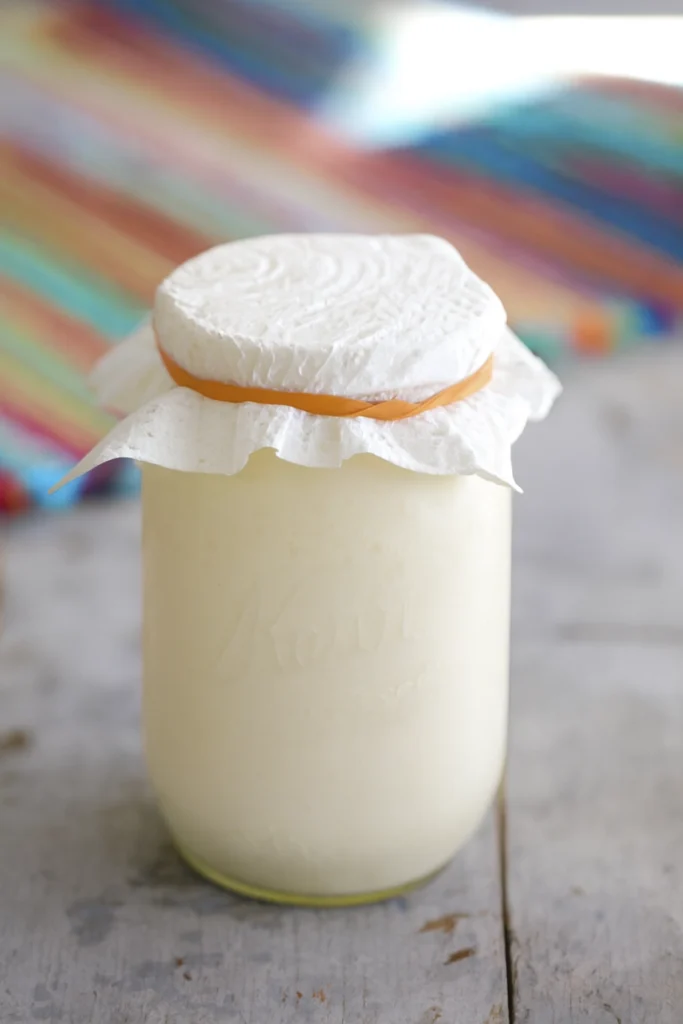
Sour cream recipe: What Is Sour Cream and How Does It Work
A traditional sour cream recipe begins with one simple concept: fermentation. Sour cream is a fermented cream recipe made by introducing lactic acid bacteria into heavy cream. These beneficial bacteria convert natural sugars into lactic acid, which thickens the cream and gives it that signature tangy flavor. This natural sour cream starter process is what transforms plain cream into rich, thick sour cream with a smooth texture.
Understanding sour cream fermentation helps you appreciate why a homemade sour cream tastes fresher and more balanced than many commercial versions. When learning how to make sour cream, it is important to know that the fermentation process happens at room temperature, usually between 21 and 24 degrees Celsius. During this time, the cream slowly develops body, flavor, and proper sour cream consistency without artificial thickeners.
Many readers ask about sour cream vs yogurt. While both are cultured dairy products, yogurt is typically made from milk and specific bacterial strains that create a more pronounced tang and firmer set. In contrast, a sour cream recipe uses higher fat cream, resulting in a richer texture and milder acidity. When comparing sour cream vs buttermilk, the difference lies in thickness and fat content. Buttermilk is thinner and more acidic, while sour cream provides creaminess and structure in recipes.
Because this fermented cream recipe relies on natural bacterial activity, it also supports better flavor development in both savory and sweet dishes. From dips to baked goods, understanding how sour cream fermentation works allows you to use this ingredient with confidence, especially if you are aiming for balanced, weight conscious meals made from real ingredients.
Sour cream recipe: Tools You Need for Perfect Results
A successful sour cream recipe does not require complicated equipment, but using the right tools makes a noticeable difference in texture, safety, and consistency. When preparing a homemade sour cream, cleanliness and proper airflow are essential for healthy sour cream fermentation.
The most important tool for this sour cream recipe is a clean glass jar. A mason jar is highly recommended because it is non reactive, easy to sterilize, and allows you to see the fermentation progress. Glass helps maintain the natural flavor of your fermented cream recipe without interfering with the bacterial culture.
You will also need a breathable cloth or clean kitchen towel to cover the jar. Avoid sealing the jar tightly during fermentation. Air circulation is necessary for the natural sour cream starter process to develop correctly. Securing the cloth with a rubber band keeps dust out while allowing the cream to culture safely at room temperature.
A simple spoon is needed for stirring once the sour cream fermentation is complete. Stirring helps achieve smooth sour cream consistency before refrigeration. Finally, make sure your kitchen environment stays between 21 and 24 degrees Celsius. Temperature control is crucial when learning how to make sour cream because it directly affects thickness and flavor.
With these basic tools, your easy sour cream recipe will develop into thick sour cream that is fresh, clean, and ready to enhance your cooking.
Sour cream recipe: Ingredients You Need for Authentic Flavor
Every great sour cream recipe starts with simple, high quality ingredients. One of the main reasons homemade sour cream tastes better than store bought versions is because you control what goes into it. This easy sour cream recipe requires only three essential ingredients, yet each one plays a crucial role in achieving the perfect sour cream consistency and balanced tang.
First, you need 1 cup of heavy cream with about 36 percent fat. The fat content is extremely important when learning how to make sour cream. Higher fat creates naturally thick sour cream without the need for additives or artificial stabilizers. If the fat percentage is too low, the final texture may be thin and less creamy.
Second, add ¼ cup of whole milk at room temperature. The milk helps support sour cream fermentation by providing additional lactose for the beneficial bacteria to convert into lactic acid. This process transforms the mixture into a true fermented cream recipe.
Third, you will need 2 teaspoons of lemon juice or white vinegar. Many people ask about sour cream with lemon juice versus sour cream with vinegar. Both acids work effectively by activating the natural sour cream starter environment. Lemon juice adds a slightly fresher citrus note, while vinegar produces a more neutral tang.
It is important to note that this sour cream recipe cannot be made lactose free using this traditional method, since fermentation relies on natural milk sugars. However, for weight conscious cooking, you can slightly adjust portion sizes while still enjoying the richness of a homemade sour cream made from clean, whole ingredients.
Sour cream recipe: Step by Step Guide on How to Make Sour Cream
This sour cream recipe is simple, reliable, and perfect for anyone who wants a clean and authentic homemade sour cream. If you have been wondering how to make sour cream from scratch, follow these precise steps to achieve a smooth texture and balanced tang every time.
Step 1: Mix the Cream and Acid
Start by pouring 1 cup of heavy cream into your clean glass jar. Add 2 teaspoons of lemon juice or white vinegar directly to the cream. This step begins the sour cream fermentation process by creating the right acidic environment. If you prefer sour cream with lemon juice, expect a slightly brighter flavor. If you use sour cream with vinegar, the taste will be more neutral and traditional.
Gently stir or swirl the jar to combine.
Step 2: Add the Milk and Shake
Add ¼ cup of whole milk at room temperature. Close the jar temporarily and shake well for several seconds. This ensures everything is evenly distributed and supports proper sour cream consistency as it cultures.
Step 3: Cover and Ferment
Remove the lid and cover the jar with a breathable cloth secured with a rubber band. Leave it at room temperature between 21 and 24 degrees Celsius for 12 to 24 hours. This resting period allows natural sour cream fermentation to occur.
The longer it sits within this safe range, the thicker and tangier your thick sour cream will become. A quick sour cream recipe version can be ready closer to 12 hours, while deeper flavor develops closer to 24 hours.
Step 4: Stir and Refrigerate
Once the mixture has thickened and developed a mild tangy aroma, stir it gently to smooth the texture. At this point, your fermented cream recipe has transformed into real homemade sour cream.
Seal the jar with an airtight lid and refrigerate. This sour cream recipe will continue to thicken slightly in the fridge and has a sour cream shelf life of about two weeks when properly stored.
Storage Tips for Best Results
For optimal freshness, always store your sour cream in an airtight container in the refrigerator. These sour cream storage tips help maintain flavor, texture, and safety. Avoid leaving it at room temperature after fermentation is complete.
Keep in mind that homemade sour cream may be slightly thinner than commercial versions because it contains no thickeners. This natural sour cream consistency is completely normal and ideal for dips, toppings, and sour cream for baking applications.
Sour cream recipe: Does Lemon Juice and Milk Make Real Sour Cream
A common question about any sour cream recipe is whether lemon juice and milk truly create real sour cream or if it is simply a shortcut. The answer lies in understanding the science behind fermentation and acidity.
When you follow a traditional sour cream recipe, the combination of heavy cream, milk, and acid creates the right environment for sour cream fermentation. The lemon juice or vinegar does not instantly transform the cream into finished sour cream. Instead, it lowers the pH level, which encourages naturally occurring lactic acid bacteria to grow. These bacteria convert lactose into lactic acid, thickening the mixture and developing the signature tang of a fermented cream recipe.
This process is different from simply mixing milk and acid and using it immediately. For example, stirring lemon juice into milk creates a quick substitute similar to buttermilk, but it does not produce the same depth of flavor or sour cream consistency. True homemade sour cream requires time at room temperature so the natural sour cream starter effect can occur.
If you are looking for a quick sour cream recipe for immediate use, combining yogurt with a little cream can mimic the texture in about thirty minutes. However, that method is technically a sour cream substitute rather than fully fermented sour cream.
Understanding this distinction helps you master how to make sour cream properly. Real sour cream develops complexity through controlled fermentation, which is why the flavor becomes smoother and richer after resting overnight.
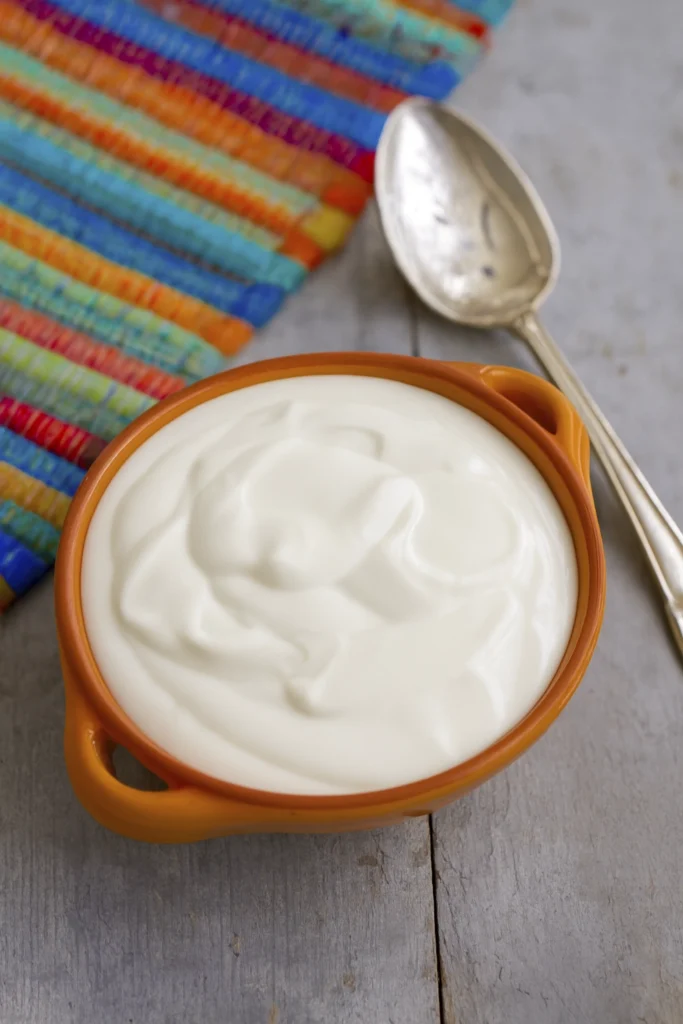
Sour cream recipe: Why Is My Sour Cream Thin
When making a sour cream recipe at home, one of the most common concerns is texture. If your homemade sour cream turns out thinner than expected, do not worry. This is completely normal in many cases and usually easy to adjust.
First, understand that commercial sour cream often contains stabilizers and thickeners. A natural fermented cream recipe made at home does not include these additives. As a result, your sour cream consistency may be softer and more fluid, especially during the first day after refrigeration.
Another factor in any sour cream recipe is fat content. If the heavy cream used contains less than 36 percent fat, the final result may not develop into thick sour cream. Higher fat creates structure and creaminess. When learning how to make sour cream, always choose full fat cream for best results.
Temperature also plays a major role in sour cream fermentation. If the room is cooler than 21 degrees Celsius, fermentation slows down and the mixture may remain thin. In this case, allow it to rest a few more hours in a stable environment. On the other hand, if fermentation time is too short, the bacteria may not have produced enough lactic acid to fully thicken the cream.
If your sour cream recipe still feels slightly thin, you can refrigerate it for a few extra hours, as chilling naturally firms it up. For a thicker texture, gently strain it through a clean cloth for a short time. This improves sour cream consistency without affecting flavor.
Remember, a slightly softer texture does not mean failure. A natural homemade sour cream is meant to be smooth, fresh, and free from artificial stabilizers.
Sour cream recipe: Frequently Asked Questions
When preparing a homemade sour cream, many readers have practical questions about texture, storage, substitutions, and dietary variations. Below are the most common answers to help you master this sour cream recipe with confidence.
A traditional sour cream recipe is made by combining heavy cream, whole milk, and lemon juice or vinegar, then allowing the mixture to rest at room temperature between 21 and 24 degrees Celsius for 12 to 24 hours. During this time, sour cream fermentation occurs as lactic acid bacteria thicken the cream and develop its tangy flavor. After fermentation, stir and refrigerate. This method creates authentic homemade sour cream with natural flavor and clean ingredients.
Commercial production of sour cream recipe variations follows a similar principle but on a larger scale. Cream is first pasteurized to eliminate unwanted bacteria. Then controlled bacterial cultures are added to ensure consistent sour cream fermentation. Many store brands also include stabilizers to create very thick sour cream and extend sour cream shelf life. While convenient, these additives are not necessary when making a fermented cream recipe at home.
For a quick sour cream recipe that does not require overnight fermentation, mix plain yogurt with a few tablespoons of heavy cream and let it rest for about thirty minutes. This creates a creamy sour cream topping suitable for tacos or soups. While convenient, it is technically a sour cream substitute rather than fully fermented homemade sour cream.
Sour cream recipe: Why It Works for Weight Conscious Cooking
A well prepared sour cream recipe can absolutely fit into a balanced and weight conscious lifestyle when used thoughtfully. Many people assume sour cream is too rich for lighter meals, but a homemade sour cream made with clean ingredients offers better control over portions and quality compared to many processed store options.
One of the main advantages of this sour cream recipe is ingredient transparency. When you prepare a fermented cream recipe at home, you avoid unnecessary stabilizers, preservatives, and added sugars. This allows you to enjoy the natural richness of dairy while staying aligned with mindful eating goals. Because sour cream fermentation enhances flavor naturally, you often need less of it to achieve the same creamy satisfaction in a dish.
Fat content also plays a role in satiety. Thick sour cream made from full fat cream provides a small amount of healthy fats that slow digestion and help you feel satisfied longer. This can reduce overeating when used as a sour cream topping for soups, tacos, or roasted vegetables.
Another benefit of mastering a sour cream recipe is versatility. Instead of heavy cream sauces, a spoonful of homemade sour cream can add creaminess to meals with fewer ingredients. It works beautifully in lighter dips, salad dressings, and even as a substitute when comparing sour cream vs yogurt in certain recipes.
When used in moderation, sour cream uses in cooking can support balanced meals while still delivering comfort and flavor. The key is quality, portion control, and choosing a natural, homemade sour cream over heavily processed alternatives.
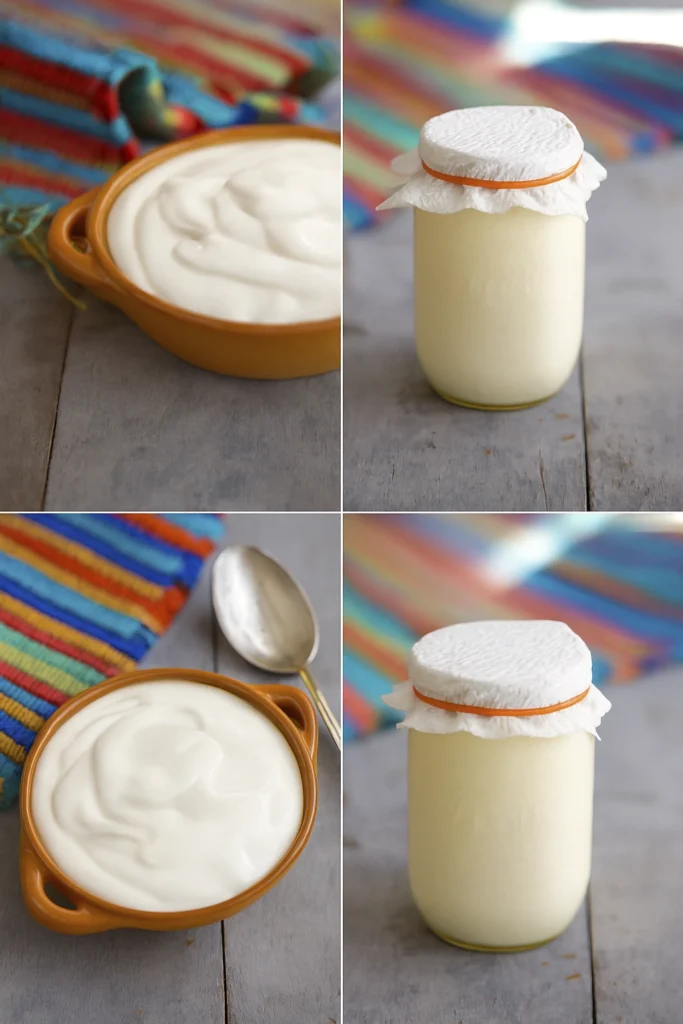
Sour cream recipe: Creative Uses in Cooking and Baking
Even simple pasta dishes benefit from a dollop of sour cream. Try this creamy tomato garlic pasta for dinner to enhance flavor naturally without heavy sauces.
Baking Uses
Sour cream is invaluable in baking because it tenderizes gluten and adds moisture. Use it in sour cream cake recipes, sour cream banana bread, or rich sour cream desserts. Baking enthusiasts will love the flavor and texture it brings. For example, bake a rich chocolate sour cream bundt cake for a decadent treat, or explore more cake recipes like lemon and ricotta cake using your homemade sour cream for added tenderness.
Sour cream also works as a replacement for buttermilk or yogurt in many recipes, allowing you to maintain moisture and richness while using a natural, homemade fermented cream recipe.
By understanding the versatility of a sour cream recipe, you can enjoy it in everything from light weeknight meals to indulgent baked goods, all while controlling ingredients and enhancing flavor naturally.
Print
Sour cream recipe: Why This Homemade Classic Belongs in Every Kitchen
- Total Time: 12–24 hours
- Yield: 1¼ cups 1x
Description
Learn how to make homemade sour cream with this easy sour cream recipe. Using simple ingredients like heavy cream, milk, and lemon juice or vinegar, this DIY sour cream develops a smooth, tangy flavor and creamy consistency perfect for dips, toppings, and baking applications.
Ingredients
- 1 cup heavy cream (36% fat)
- ¼ cup whole milk at room temperature
- 2 teaspoons lemon juice or white vinegar
Instructions
- Pour 1 cup of heavy cream into a clean glass jar.
- Add 2 teaspoons of lemon juice or vinegar and gently stir to combine.
- Add ¼ cup of whole milk at room temperature and shake the jar briefly to mix.
- Cover the jar with a breathable cloth secured with a rubber band.
- Leave at room temperature (21–24°C) for 12–24 hours to allow fermentation.
- Once thickened and tangy, stir gently to smooth the texture.
- Seal the jar with an airtight lid and refrigerate for up to two weeks.
Notes
Use full-fat cream for best thickness. If sour cream is too thin, refrigerate longer or strain slightly. For a milder tang, ferment closer to 12 hours; for stronger flavor, ferment up to 24 hours. Always use clean utensils to prevent contamination.
- Prep Time: 5 minutes
- Cook Time: 12–24 hours fermentation
- Category: Condiment / Dairy
- Method: No-Cook / Fermentation
- Cuisine: American / General
Nutrition
- Serving Size: 2 tablespoons
- Calories: 50
- Sugar: 0g
- Sodium: 5mg
- Fat: 5g
- Saturated Fat: 3g
- Unsaturated Fat: 2g
- Trans Fat: 0g
- Carbohydrates: 1g
- Fiber: 0g
- Protein: 1g
- Cholesterol: 20mg
Keywords: homemade sour cream, sour cream recipe, fermented cream, DIY sour cream, healthy sour cream
Sour cream recipe: Pro Tips for Perfect Homemade Sour Cream
Making a sour cream recipe at home is simple, but a few professional tips can help you achieve the best flavor, texture, and consistency every time. Whether you are a busy parent, a student, or a baking enthusiast, these tips will elevate your homemade sour cream experience.
1. Use High Quality Ingredients
Always choose fresh heavy cream with at least 36 percent fat and whole milk at room temperature. This ensures thick sour cream and a rich, smooth flavor. Avoid ultra-pasteurized cream if possible, as it may slow fermentation.
2. Control Fermentation Temperature
Keep your sour cream mixture at a stable room temperature of 21–24°C. Too cool and the fermentation slows, resulting in thin sour cream. Too warm can produce overly tangy flavors or spoilage.
3. Cover with a Breathable Cloth
During fermentation, cover your jar with a clean cloth or kitchen towel secured with a rubber band. This allows airflow for the natural sour cream starter while protecting against dust and debris.
4. Stir Before Refrigeration
After 12–24 hours of fermentation, gently stir your sour cream to achieve smooth sour cream consistency. This step ensures even texture and flavor distribution before storing in the fridge.
5. Taste and Adjust
Your homemade sour cream may vary slightly in thickness and tanginess depending on time and temperature. If it’s too thin, refrigerate longer or strain slightly. If it’s too tangy, use it as a sour cream topping or in baking where acidity enhances flavor.
By following these professional tips, your sour cream recipe will yield consistent, fresh, and delicious results that can be used in savory dishes, baked goods, or as a creamy dip.
If you’re craving more inspiration, you’ll find plenty of recipes in the Pinterest